Ethical Meat, Animal Welfare, and Slaughter Practices
At The Cornish Food Box Company, we know that many of our customers think carefully about where their food comes from. For some, this includes concerns about religious slaughter, while for others it’s about animal welfare, stress reduction, and ethical farming practices. We want to be open and transparent about how the meat in our boxes is raised and processed, so you can make informed choices with confidence.
Animal Welfare Comes First
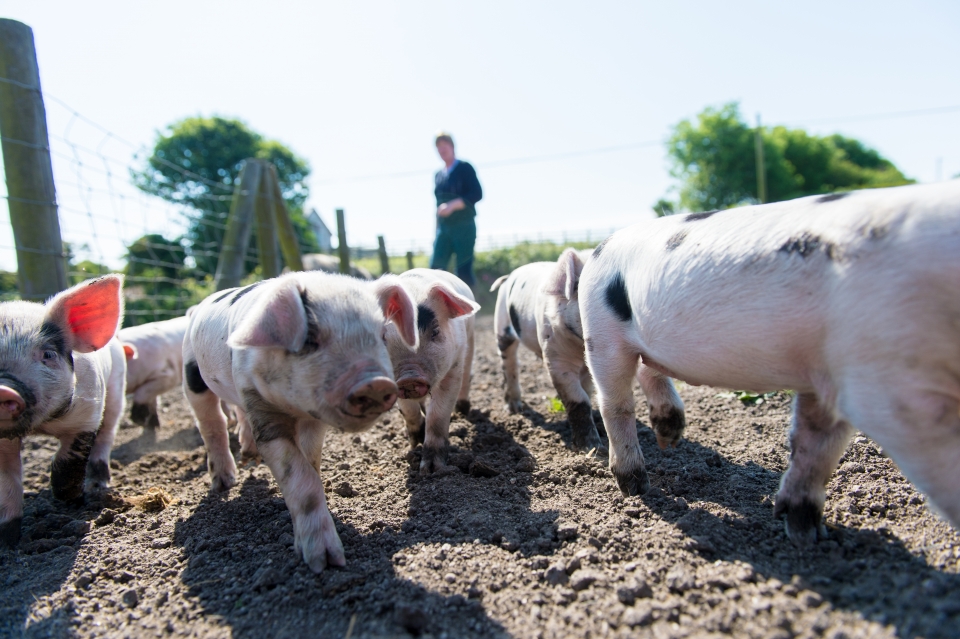
We work closely with trusted local Cornish farmers who share our commitment to high welfare standards. These farms prioritise good husbandry, outdoor access where appropriate, and calm, respectful handling of animals throughout their lives. But welfare doesn’t stop at the farm gate — how animals are transported and slaughtered matters too.
Poultry: Low-Stress, On-Farm Processing
Our poultry is killed on the farm where it is raised. This is an important welfare choice.
Transporting birds over long distances to an abattoir can be stressful for poultry. By carrying out slaughter on farm, we eliminate that journey altogether, allowing birds to remain in familiar surroundings right up to the end.
The birds are humanely killed by electrical stunning (electrocution), which renders them unconscious immediately, followed by removal of the head. This process is designed to minimise fear, distress, and suffering.
Beef, Pork, and Lamb: Fully Stunned Before Slaughter
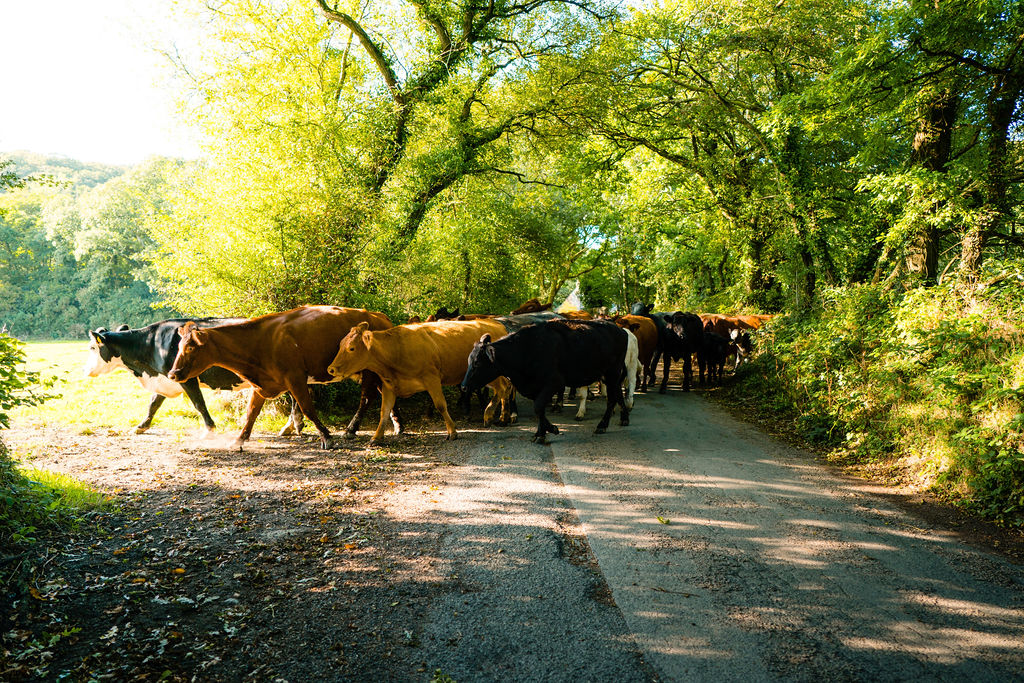
Our beef, pork, and lamb come from local farms that use nearby, small-scale abattoirs. Keeping journeys short helps reduce stress for the animals.
At these abattoirs, cows, pigs, and sheep are fully stunned prior to slaughter. Stunning ensures the animal is unconscious and unable to feel pain before the final stage of the process takes place. This is a key element of UK animal welfare regulations and something we actively support.
Not Halal or Kosher Slaughter
We understand that religious slaughter is an important consideration for some customers, whether they are seeking it or wishing to avoid it.
The abattoirs used by our local farms are not registered for halal or kosher slaughter, and the meat we supply is not produced using halal or kosher methods. All animals are stunned before slaughter, which differs from traditional halal and kosher practices.
Transparency You Can Trust
We believe ethical food choices start with honest information. Whether your concerns are about animal welfare, religious slaughter, or simply wanting reassurance about how your food is produced, we hope this explanation gives you clarity and peace of mind.
If you ever have questions about our sourcing, farming partners, or welfare standards, we’re always happy to talk. Ethical food is a journey, and we’re proud to walk it alongside our customers.
Frequently Asked Questions
- Is your meat halal or kosher?
-
No. Our meat is not halal or kosher. The abattoirs used by our farmers are not registered for halal or kosher slaughter, and all animals are fully stunned before slaughter.
Are animals unconscious before they are killed?
-
Yes. All our poultry are electrically stunned before slaughter, and all cows, pigs, and sheep are fully stunned at the abattoir to ensure they are unconscious and do not feel pain.
Why do you slaughter poultry on farm?
-
On-farm slaughter avoids transporting birds long distances, which can be stressful. Keeping them in familiar surroundings helps reduce fear and distress.
How far do animals travel to slaughter?
-
We work with local farms and nearby abattoirs to keep journeys as short as possible, reducing stress for the animals.
Can I ask more questions about sourcing and welfare?
-
Absolutely. We welcome questions and are always happy to provide more detail about our farming partners and welfare standards.
You can get the taste of Cornwall for yourself by getting a fresh food delivery to your door. By getting your fresh food delivered from Cornish Food Box Company, you're getting it straight from the source, guaranteeing freshness and quality as well as supporting local fishermen, farmers, and a whole community of food producers and contributing to the livelihoods of our rural communities.
With our online ordering and nationwide delivery options, getting your food delivered is convenient and hassle-free, allowing you to enjoy the best of food produced in Cornwall whilst supporting a more sustainable food system that's good for farmers, animal welfare, your health and the environment.