What are Ultra Processed Foods & what's the problem with them?
Ultra Processed Food (UPFs) make up around 60% of the average adult, and around 70% of childrens diet in the UK. They have become a staple part of the food we eat everyday for many people. They are convenient, affordable, and designed to taste delicious. However, this convenience often comes at a huge cost to our health. Ultra-processed foods are heavily modified products that contains ingredients you wouldn't find in your kitchen and are industrially processed, and their regular consumption has been linked to a host of serious health problems.
"Edible food-like substances"
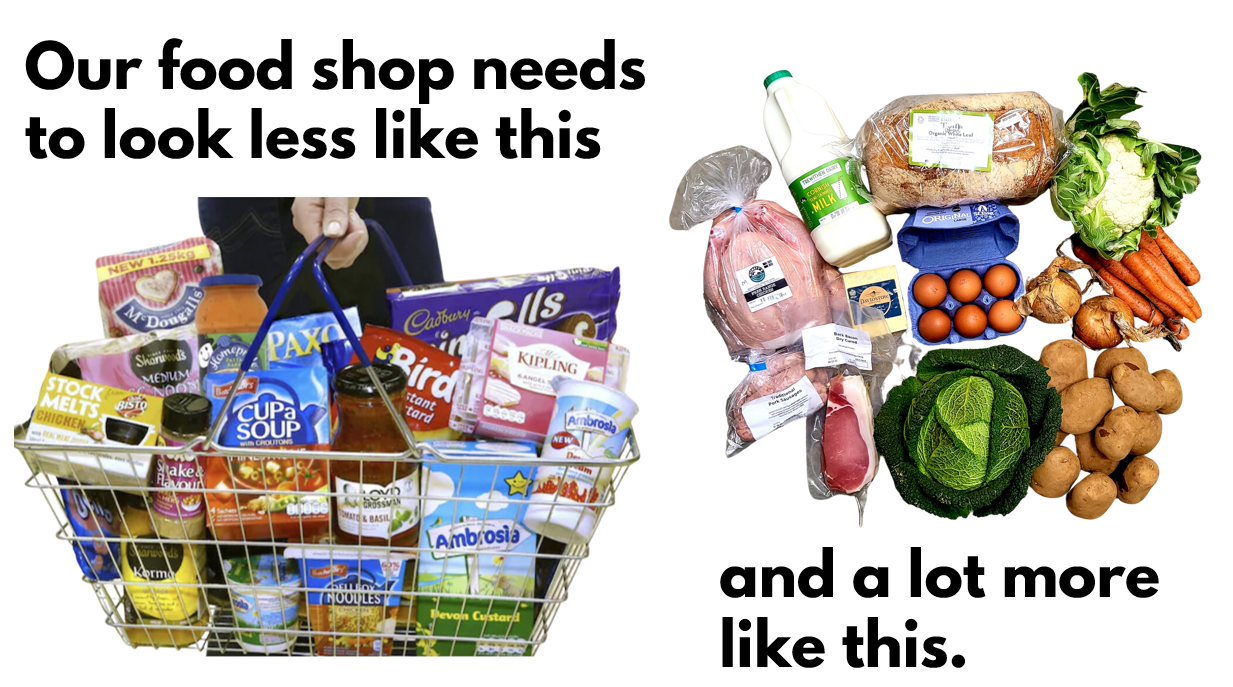
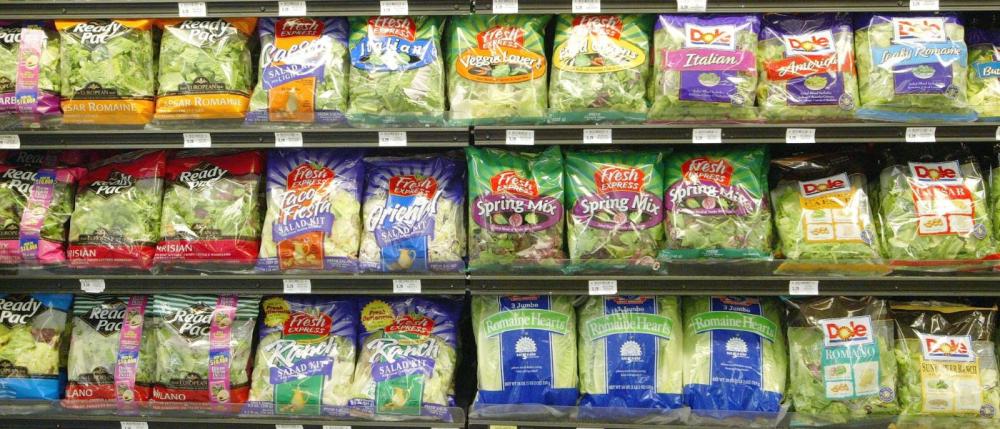
We all know that a diet of crisps, cake and chocolate is not good for us, but many of us do not realise how many of our regular food choices from bread to flavoured yogurts are also UPFs. These products often have health benefits prominently displayed on their packaging such as 'a source of fibre' or 'free from artificial flavourings' which give the impression that they form part of a good diet.
What Are Ultra-Processed Foods?
Ultra-processed foods are industrial formulations made mostly from substances extracted from foods, such as oils, fats, sugars, and starches, along with additives like artificial flavours, preservatives, and emulsifiers. These foods typically have a long shelf life and are engineered to be hyper-palatable.

Examples include:
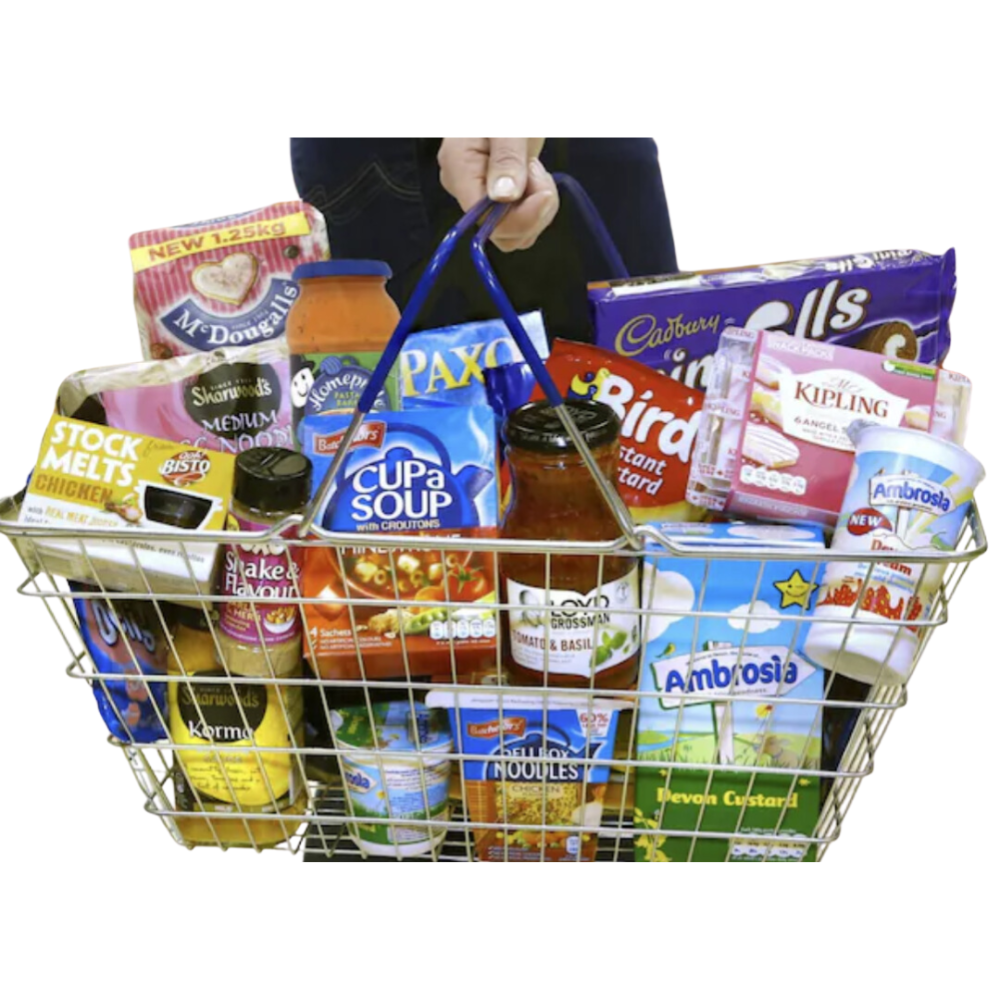
Pre-packaged meals (frozen dinners, instant noodles)
Soft drinks and energy drinks
Industrialised bread, cakes, and pastries
Sweetened breakfast cereals
Processed meats like sausages, nuggets, and reconstituted meat products
These foods are often devoid of the natural nutrients found in whole, unprocessed foods and are designed to prioritize convenience, taste, and shelf stability.

Why Are Ultra-Processed Foods a Problem?
Nutrient Deficiency - Ultra-processed foods are often stripped of essential nutrients. While they may be fortified with vitamins and minerals, these additions don’t always provide the same benefits as whole foods. The lack of dietary fiber, antioxidants, and healthy fats in ultra-processed foods leads to a less nutritious diet overall. Regular consumption of these foods can result in deficiencies that negatively impact your health.
"Food related illness costs the UK £268 billion per year - more than the whole NHS budget"
High in Sugar, Unhealthy Fats, and Salt - These foods are typically packed with added sugars, unhealthy fats (like trans fats), and excessive amounts of salt. This combination makes them highly palatable, encouraging overeating, while contributing to weight gain and chronic health conditions such as obesity, type 2 diabetes, and hypertension.
For example, sugary drinks and snacks spike blood sugar levels, which can lead to insulin resistance over time, a precursor to diabetes.
Linked to Chronic Diseases - Ultra-processed foods have been linked to an increased risk of various chronic diseases. Studies show that diets high in these foods increase the likelihood of developing cardiovascular diseases, certain cancers, and gastrointestinal disorders. Research from the British Medical Journal has found that a 10% increase in the consumption of ultra-processed foods is associated with a 12% increase in the risk of cancer.
A diet high in UPF increases your chance of...
Heart disease by 68%
Alzheimer’s disease by 75%
Colon cancer in men by 72%
Obesity by 50%
Crohn’s disease by 70%
Impact on Mental Health
The effects of ultra-processed foods extend beyond physical health. There is growing evidence that diets rich in processed foods can negatively affect mental well-being. High sugar levels, unhealthy fats, and artificial additives can contribute to mood swings, anxiety, and even depression. On the other hand, whole foods rich in nutrients like omega-3 fatty acids and antioxidants are known to support brain health and emotional stability.
Disruption of Gut Health
The gut microbiome plays a crucial role in digestion, immunity, and even mental health. Ultra-processed foods, which lack dietary fiber and contain artificial additives, can disturb the balance of the gut microbiota. This disruption can lead to digestive problems and inflammation, further increasing the risk of diseases such as inflammatory bowel disease (IBD).
Encouraging Overconsumption
Ultra-processed foods are engineered to be “hyper-palatable,” making them hard to resist. Their combination of fats, sugars, and salts is designed to trigger the brain's reward system, encouraging people to eat more than they need. This contributes to overeating and is a major driver of the global obesity epidemic.
Environmental Concerns
Beyond the health risks, ultra-processed foods are also problematic for the environment. Their production often relies on industrial farming, excessive packaging, and long-distance transportation. This leads to a greater carbon footprint compared to locally sourced, whole foods. By reducing the consumption of ultra-processed foods, we not only improve our health but also contribute to environmental sustainability.
Food & drink production is responsible for:
32% greenhouse gas emissions
40% of land use
70% of freshwater use
30% of plastic waste
What does a healthy diet look like?
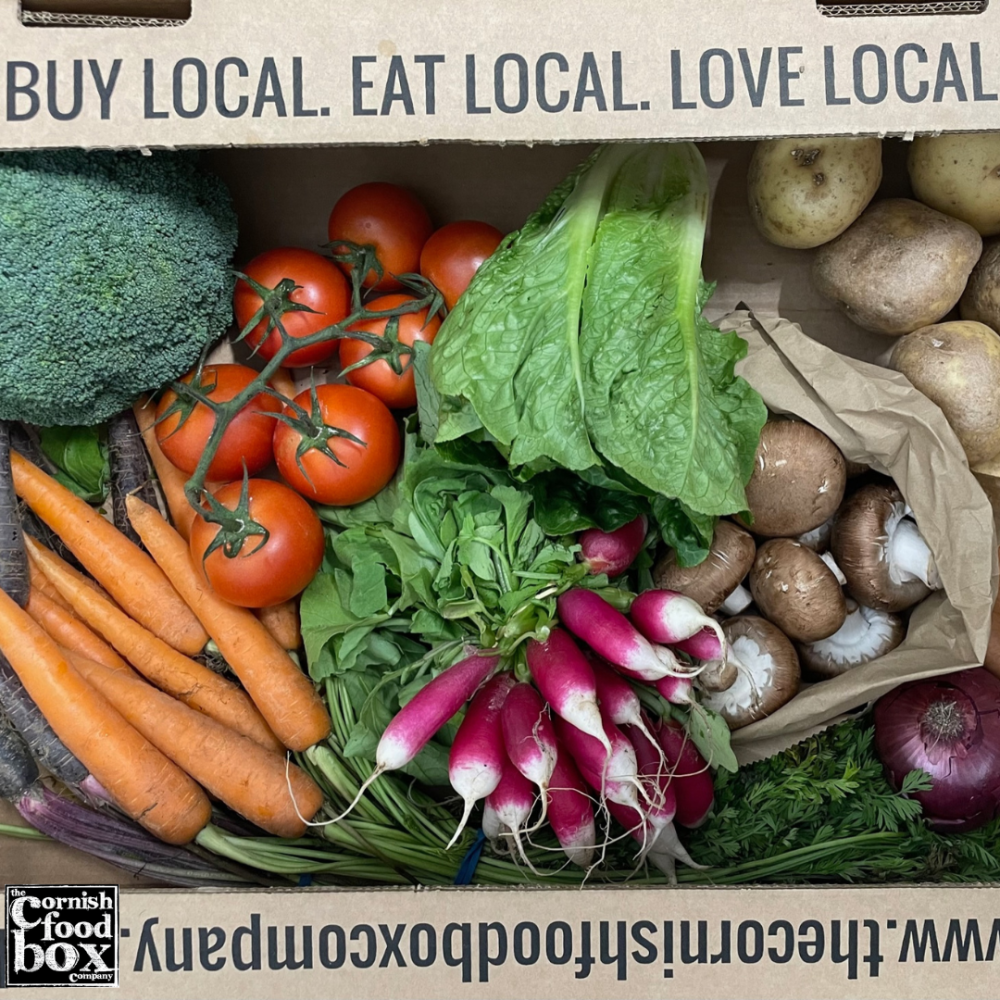
A good diet is made up of natural whole foods. If the ingedients list is as long as your arm and you don't recognize what they are, then you shouldn't be eating it regularly. In fact the vast majority of your diet shouldn't come from a packet at all.
Only 1 in 10 children & 1 in 3 adults in the UK eat the minimum amount of veg & fruit they need. You need a minimum of 400g of fresh veg & fruit every day and aim to eat at least 30 different types of veg, fruit, nuts & seeds per week. Cooking your meals from scratch is the best way to do this and means you know exactly what is in it.
Never fear it doesn't mean you spend the rest of your life slaving over the stove or force feeding your family salad! We have plenty of simple recipes that use seasonal veg on our recipe blog. Most of your favourite dishes can be made quite easily at home, and don't need to take hours or involve lots of complicated ingredients.